Who this game is not for, and why that is a fair take
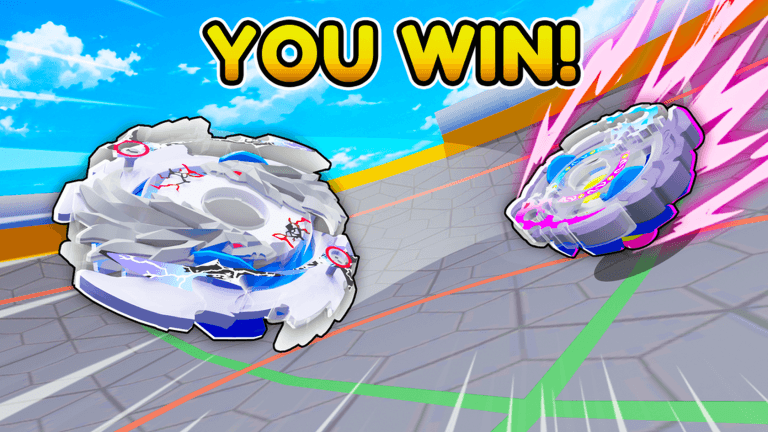
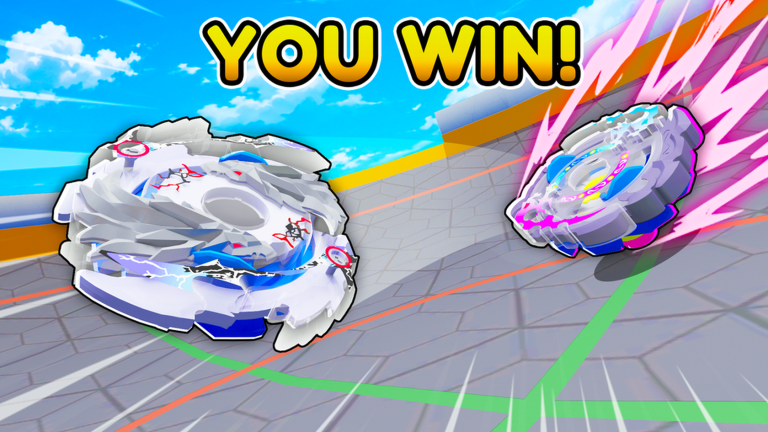
Bey Rivals is a Roblox experience built around spinning top battles in the spirit of the Beyblade anime, where players collect their own Beys and pit them against opponents to find out whose build comes out on top. The pitch is simple, the battles are fast, and the customization loop is genuinely moreish. That is exactly why the honest answer here is a split one. This is a review written as an exit interview: who should walk away, what pushes them out the door, who stays anyway, and what would have to change for the verdict to move.
If you want a spinning top battler where your collection is purely a cosmetic shelf, you should skip it. If you expect a competitive scene to be readable within an evening, or if slow, attribute-driven progression reads as a wall rather than a hook, you should skip it. Those are fair objections, not complaints for their own sake. The flip side is that players who enjoy tinkering with parts, chasing better attributes, and letting a build come together over time tend to get a lot out of this one.
The friction points that drive quits
The spin and attribute wall
The single biggest quit trigger is the investment curve. Building the Bey you actually want demands a lot of investment in skills and attributes, and getting the attributes you are chasing means a lot of lucky spins, tickets, and Bey Points. Three separate currencies, three separate grinds, all feeding the same goal.
Bey Points are the load bearing currency, used for a variety of things around the map and in game. Tickets and tokens sit alongside them and are framed by the game's own systems as the shortcut that saves you Robux and unnecessary grind. That framing is revealing: the game openly acknowledges that the alternative to grinding is spending, and it puts the tickets and tokens in the middle as the pressure valve. Players who dislike feeling that push tend to bounce here first.
Pacing and the pull of one more spin
The pacing problem is not the battles, which are fast and fun, but the loop wrapped around them. Battles are quick, and the payoff is deferred into parts, traits, and attributes that only resolve when the next spin lands. Players who need visible progress every session often read that gap as the game stalling, even when the underlying rewards are accumulating. The addictive quality of getting parts and customizing a Bey cuts both ways: it keeps invested players in, and it makes the waiting feel longer for everyone else.
Who thrives anyway, and why
The players who stay are tinkerers. Bey Rivals gives you a real degree of control over your Bey in a way the real life toys never did: you can unleash devastating attacks and defend yourself against your opponents' hits, so outcomes are not purely a stat check. Collecting Beys, experimenting with parts, and reshaping attributes between matches gives the game a build-crafting identity that a pure arcade battler would lack.
Progression-minded players also do well here, because every layer of the loop feeds back into the next: battles earn currency, currency buys spins and tickets, spins reshape the Bey you bring back into battle. If you enjoy watching a loadout improve across a week rather than a match, the currency stack feels like momentum instead of friction. The presence of a community button in the game's UI also signals that the developer expects players to stick around long enough to follow along between sessions.
Better-fit alternatives, by frustration type
Matching alternatives to the exact complaint matters more than naming a single rival.
- If the spin wall is the problem: look for a spinning top or arena battler where loadouts unlock through direct play rather than random attribute rolls, so every session moves you toward a specific build.
- If the currency sprawl is the problem: a fighter with one progression currency and one unlock path will feel far cleaner than juggling Bey Points, tickets, tokens, and spins at once.
- If pacing is the problem: a round based battler with shorter matches and immediate per-match rewards suits players who want the feedback loop closed inside a single sitting.
- If control depth is what you actually wanted: a titles focused on skill timing and defense will deliver more of the attack and guard play that Bey Rivals hints at, without the collection layer on top.
The conditions that would change this verdict
Three things would move this from a conditional skip to a recommendation. First, easing the attribute grind so a desired build is reachable without either heavy time or heavy spend, which would neutralize the wallet versus grind tension that defines the current experience. Second, smoothing the cadence between quick battles and slow reward resolution, so a single session ends on visible progress rather than an unfinished spin cycle. Third, continuing the kind of ongoing balance work the game has already been doing: regular drops have focused on bug fixes and balance adjustments, which is the right instinct for a live experience, and a steadier, clearer rhythm of those changes would build trust with players on the fence.
It is also worth noting where free players currently stand. The game periodically hands out bundles of Bey Points, Spin Tickets, Lucky Spins, and Trait Tokens through redeemable drops, and codes are a known part of that system. At the time of writing there are none to redeem, and the live list on this page updates the moment new ones drop. Treat codes as a bonus layer, not a progression plan, because they expire and cannot be relied on to carry a build on their own.
FAQ
Q: What exactly does Bey Rivals ask you to grind?
Three currencies. Bey Points are the main one and are spent on a variety of things around the map and in game. Tickets and tokens are the supporting currencies used for spins and attribute work, and the game positions them as the way to save Robux and unnecessary grind. The grind is therefore not one bar but a stack of them, all feeding your Bey's skills and attributes.
Q: Is skill enough to win, or do attributes decide matches?
Both matter. You have a genuine degree of control over your Bey, including unleashing attacks and defending against opponent hits, so timing and decision making are real. At the same time, the game states that having the best Bey requires heavy investment in skills and attributes, which means a well rolled build can outclass an underinvested one regardless of input.
Q: What is the fastest way to tell this game is not for you?
Play a handful of battles and ask how you feel about the gap between them. If the quick, fun matches leave you wanting a build to chase, you are in the target audience. If the thought of funding spins, tickets, and attributes on top of battling reads as a second job, the exit interview applies to you.
Verdict
Bey Rivals is a strong fit for collection driven players who like build crafting, part swapping, and letting a Bey improve over time, with battles quick enough to keep the loop moving. It is a poor fit for players who want instant build clarity, a single currency to track, or a competitive footing that does not depend on attribute investment. The wallet versus grind pressure around spins, tickets, and tokens is real and is the main reason players quit. Keep your expectations aligned with that tradeoff and the game delivers; do not, and the friction will read as a paywall in disguise.
Bey Rivals Codes (November 2026)
No active codes yet for Bey Rivals; 30 unverified codes are being tracked.
Not yet fully verified. This list updates as sources are rechecked.
No verified active codes are currently recorded for this game. 30 community reported codes are awaiting verification in the Unverified Reports list below, with the source and date we recorded where available.