What health means for a game built on updates
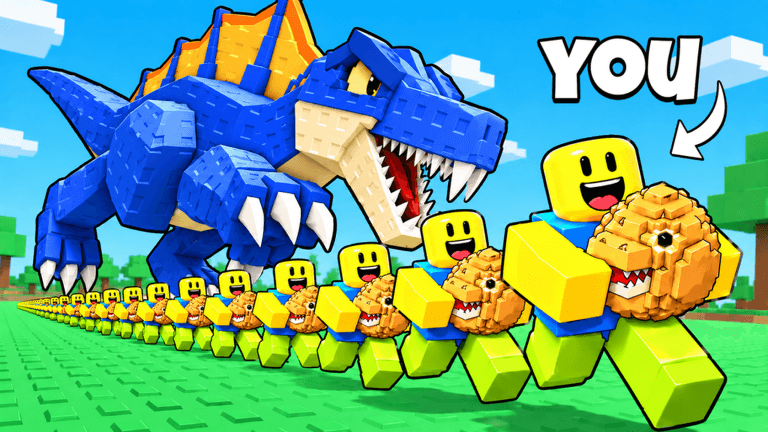
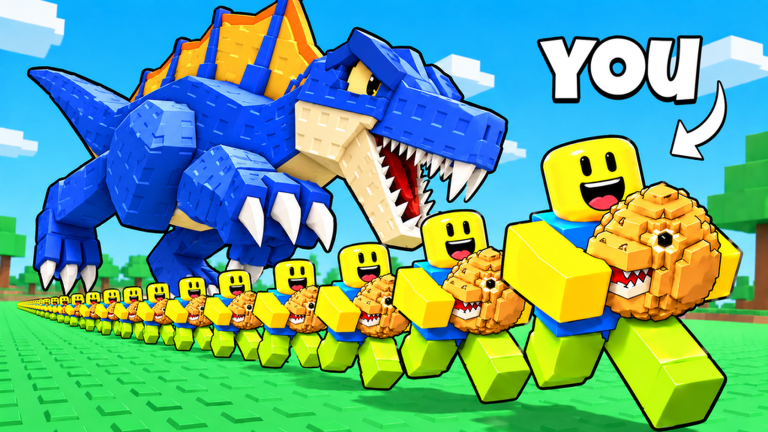
Clone to Steal Eggs is a Roblox experience whose entire appeal rests on a loop that has to keep moving. The design is three-pronged: training increases your Speed, clones handle the stealing of eggs, and pets earn Cash. That combination only stays interesting if the developer keeps refreshing what sits inside it, new pets, new shop entries, new boosts. So judging this game right now is less about whether a single session is fun and more about whether the surrounding service looks like it can sustain itself.
Here is what the current picture looks like, what is genuinely strong about it, and where the evidence runs thin.
The loop, honestly
Everything routes back to those three pillars. Speed comes from training rather than from gear or unlocks, so your avatar grows over time through repetition. Clones are the workers that perform the egg stealing for you, which means the game scales by adding labor rather than by asking you to click faster. Pets sit on top of that and generate Cash passively, converting collection into income.
The result is an idle-adjacent economy. You are not constantly inputting to progress; you are growing a system that produces on its own. That makes short sessions viable but also means that the ceiling matters more than the moment-to-moment feel. If Cash accumulation outpaces what the shop sells, the loop stalls. If it lags, the shop becomes the pressure point.
Progression feel and monetization pressure
The shop is where that pressure lives. The main window is labeled the Exclusive Shop, and it sits on the right side of the screen, with the entries that matter most found by scrolling to the bottom.
The boost lineup is short and sharp. A Cash Potion multiplies Cash earnings by 2x for 10 minutes. A Train Potion multiplies the Speed training rate by 2x for 10 minutes. A Luck Potion raises the Luck stat by 2x for 10 minutes. Every one of these operates on the same ten-minute clock, which effectively turns the game into a stack of ten-minute sessions. That is a design with a clear cadence built into it, but it also means your progress tends to arrive in bursts rather than as a smooth curve.
Then there is the ceiling example the current shop shows: the Yeti pet, which earns 30,000 Cash per second. Compared to a multiplier that doubles earnings for ten minutes, a flat per-second generator reads as a completely different tier of power. The gap between those two items tells you a lot about how the economy is layered. One is a tempo tool, the other is a permanent income floor, and the distance between them is where monetization pressure concentrates.
Fairness-wise, nothing in the current evidence points to mandatory spending. Clones steal and pets earn without you paying, and the potions are conveniences that compress time rather than gates. But the ten-minute window framing does create a rhythm where the game constantly reminds you of what a boost would do.
Update cadence and patch quality
This is where the record gets thinner. The tracked page for the experience was last verified on October 1, 2026, and the code data was last grounded on October 14, 2026. No patch notes, event dates, or named updates are documented in the material reviewed here, so this report cannot assign a specific update interval or grade individual patch quality.
What can be said is that the shop entries themselves carry a Latest label on the potion and pet entries, which indicates the developer has refreshed this inventory at least once in a way visible to players. A shop that gets relabeled is a shop that gets touched, and that is a basic but real signal of maintenance.
Event rotation and re-run handling
No seasonal events, re-runs, or limited-time modes are documented in the evidence reviewed for this piece. Until such an event appears in a tracked source, there is no rotation to evaluate, and claiming otherwise would be inventing content. For a live-service health check, that absence is itself a finding: the sustenance of this game currently rests on shop refreshes and code drops rather than on event programming.
Bug response and communication track record
One workaround has entered the community guidance: if a newly added code entry fails, leaving and reopening the game can move you to a newer server before another attempt. That is a soft signal. It means redemption reliability has been inconsistent enough that players needed a documented recovery step, and that the fix lives in player knowledge rather than in an announced patch.
On the code side, the situation is quiet. Five entries have been reported for Clone to Steal Eggs, but none have been verified, so there are currently none to redeem. The monitoring page is checked regularly and will reflect new entries the moment they are confirmed. Codes in this genre typically expire quickly once they circulate, so a reported-but-unverified pile is a normal state for a game between drops.
Player count trend
No concurrent player figures are cited here, because none appear in the reviewed sources. A viability judgment on population would be speculation, so this section stays empty on purpose.
FAQ
Q: How does training actually work in Clone to Steal Eggs?
Training raises your Speed stat directly. Speed is one of the three core pillars alongside clones that steal eggs and pets that generate Cash, and a Train Potion can double the Speed training rate for ten minutes.
Q: Where is the Exclusive Shop and what does it contain right now?
Select Shop on the right side of the screen, then scroll to the bottom of the Exclusive Shop window. The current entries include a Cash Potion, a Train Potion, a Luck Potion, and a Yeti pet that earns 30,000 Cash per second.
Q: Can codes be redeemed in Clone to Steal Eggs at the moment?
Five entries have been reported but none are verified, so there are currently none to redeem. This page monitors the situation and updates once entries are confirmed.
Verdict
Clone to Steal Eggs has a legible, low-friction core. Training feeds Speed, clones do the work, pets pay out, and the shop offers short boosts that compress the wait. For new players, that is an easy game to pick up with a loop that explains itself within minutes, and nothing reviewed here suggests progress is paywalled. The ten-minute boost design does mean progress feels chunked, and the Yeti's per-second income shows a ceiling that sits far above the entry-level tools.
For returning players, the honest caveat is that this service is currently carried by shop refreshes and code drops rather than by events or documented patches. The unverified code pile and the server-hopping workaround both point to a live service that is alive but lightly maintained. If you want an idle-leaning egg stealer with transparent systems, it is worth a look. If you need a roadmap and a busy event calendar, the evidence does not show one yet.
Clone to Steal Eggs Codes (November 2026)
No active codes yet for Clone to Steal Eggs; 5 unverified codes are being tracked.
Not yet fully verified. This list updates as sources are rechecked.
No verified active codes are currently recorded for this game. 5 community reported codes are awaiting verification in the Unverified Reports list below, with the source and date we recorded where available.