Why live-service health decides whether FERAL Animal Survival is worth your time
FERAL 🐺 Animal Survival is a game that lives on momentum. Its entire proposition is a persistent animal world: you are born as a tiny wolf or a wobbly deer, you find food and water, and you grow from a baby to an adult while exploring rivers, forests, hidden lakes, and deep gorges. Because progression is tied to staying alive and accumulating amber over long sessions, the question for a new or returning player is not only whether the loop is fun today, but whether the experience looks actively supported. This review reads the game as it exists in November 2026, using the guide coverage, creator walkthroughs, and system descriptions available in the tracked research.
The gameplay loop the game is actually built around
Everything in FERAL Animal Survival funnels through survival maintenance. Hunger and thirst are the two meters that dictate your decisions moment to moment, and the consistent advice across recent guides is to keep both under control before doing anything ambitious. Once those are stable, your real currency of progress is amber.
Amber does the heavy lifting in the progression design. It is earned while you play, and at least one recent beginner guide describes passive accrual that rewards simply spending time in the game, meaning you build amber while exploring, gathering resources, and growing your animal rather than through a single repetitive task. The guidance from multiple creators is the same: combine earning methods instead of relying on one, because currency accumulates alongside natural progress.
From baby wolf to teen, and what growth actually unlocks
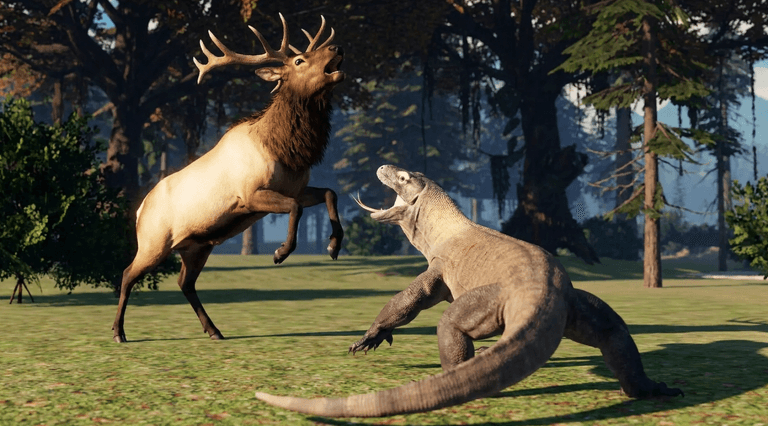
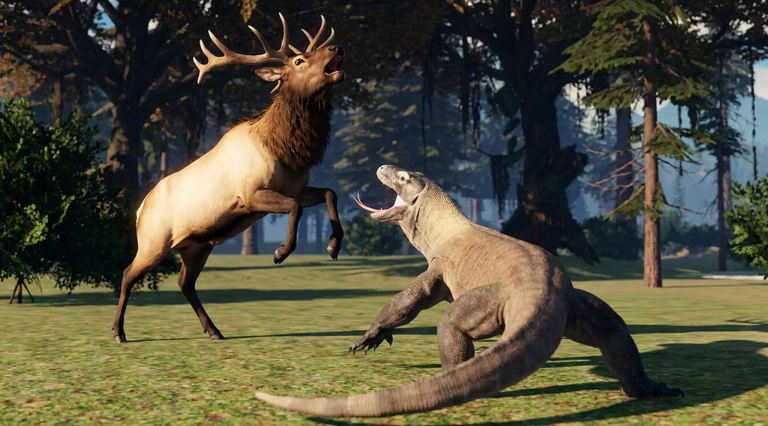
Growth is more than a size change. One guide walks through a wolf maturing into a teen stage, which opens the lunge ability, an attack tool that lets you hunt bigger prey than you could manage as a baby. Eating other animals is what drives that growth, so the loop is self-reinforcing: hunt to grow, grow to hunt better. At the same time, the game pushes you to read risk. The repeated instruction is to learn which encounters you can handle, stay clear of animals that are clearly stronger than you, and avoid lingering in exposed locations.
Amber unlocks and the animal roster question
Once you have saved enough amber, you move off your starting wolf or deer. River otter is cited as one of the earlier unlocks, but the more interesting design point is that animals fall into different categories, and which one suits you depends on your preferred play style. That is a healthy sign for a roster-based game: the unlock path is not purely about raw strength, it is about matching an animal to how you want to survive. Packs add the social layer. You can join a pack or hunt with others to grow faster, which gives cooperative play a mechanical payoff rather than a decorative one.
Update cadence and the community signal
The clearest support signal in the tracked window is creator coverage. Beginner guides and full walkthroughs for FERAL Animal Survival were published on November 6, November 9, November 9, November 12, and November 17, 2026, from a mix of large verified channels and smaller guide creators. Titles cluster around the same promises: best animals, fast amber, survival tips, and full walkthroughs. That consistency matters for a live-service title. It shows the onboarding material is being refreshed and that new players are arriving in numbers worth producing for.
What the reviewed sources do not include is a patch log, a dated event calendar, or a documented studio announcement cycle. This review therefore does not assign a specific update interval or event rotation schedule, and it does not claim a player-count trend, because the evidence does not state one. What can be said honestly is that the systems creators keep explaining the same way across a fortnight of videos are stable, understandable, and being taught to newcomers.
Events, re-runs, and communication
No event names, re-run mechanics, or developer bug-response records appear in the material reviewed for this article. For a survival game of this type, that absence is worth flagging rather than papering over. If you are the kind of player who returns specifically for limited-time events, you should treat FERAL Animal Survival's event calendar as unverified until you see it directly in-game or on the developer's own channels. If you return for the core loop itself, the loop does not depend on events to function.
Monetization pressure and fairness
The reviewed guides frame progression entirely around earned amber. Spending time in the game yields currency, stronger animals come from saving that currency, and the strategic layer is choosing what to unlock next and when to risk tougher hunts. None of the reviewed material documents a shortcut that skips survival maintenance or a paid route to the lunge, pack, or growth advantages. The fairness read is therefore favorable but provisional: the evidence describes a game where time and skill are the currency, and where the honest bottleneck is hunger, thirst, and knowing which fight to pick.
FAQ
Q: Which animal should you start with in FERAL Animal Survival?
You begin as either a wolf or a deer. Guides recommend unlocking further animals with amber rather than staying on the starting choice forever, with river otter named as an early option, and suggest picking based on which animal category matches your preferred play style rather than chasing a single best pick.
Q: How do you grow faster in FERAL Animal Survival?
Growth comes from eating other animals and keeping hunger and thirst topped up so you can keep hunting. Joining a pack or hunting alongside other players is described as a way to grow faster, and abilities such as the teen stage lunge open up as you mature, letting you take on larger prey.
Q: Are there any codes to redeem in FERAL Animal Survival right now?
There are currently none to redeem. This page is monitored and updates the moment codes drop.
The verdict: who should play, and who should wait
For new players: FERAL Animal Survival is worth your time if you want a survival game with a readable, honest progression curve. The loop is transparent: control hunger and thirst, accumulate amber while you explore, unlock an animal that fits your style, then grow into abilities that change how you hunt. The October and November guide wave suggests you will not be learning it alone. Go in expecting a deliberate pace, and expect to lose encounters against animals that outclass you until you learn the map's risk zones.
For returning players: Come back for the loop, not for an event calendar, because no event schedule or patch log is documented in the sources reviewed here. If amber still accrues while you play and the roster still gates progression behind saved currency, your existing account progress should slot straight back in. Check the developer's own channels before banking on a specific update or limited-time活动.
Who should skip it: Players who need a dense, dated roadmap, scheduled events, or a published bug-response track record before they commit should hold off until the studio publishes that information directly. Likewise, players who dislike survival maintenance meters will find hunger and thirst at the center of every session.
Overall, FERAL Animal Survival reads as a healthy, comprehensible survival game in November 2026: a loop that teaches itself through play, an amber economy that rewards patience, and growth mechanics that genuinely change what you can do. Its support story is promising rather than proven, and it earns a cautious recommendation with the caveat that its live-service calendar remains undocumented in this review's evidence base.
FERAL 🐺 Animal Survival Codes (November 2026)
No active codes are available right now for FERAL 🐺 Animal Survival.
Not yet fully verified. This list updates as sources are rechecked.
No verified active codes are currently recorded for this game.