The players this game is not for
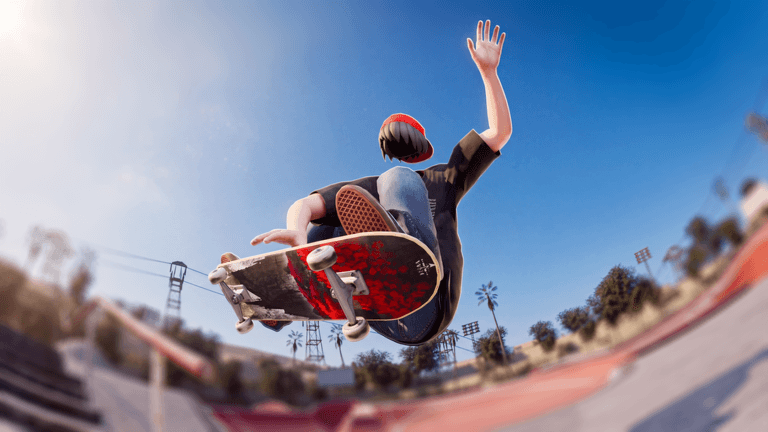
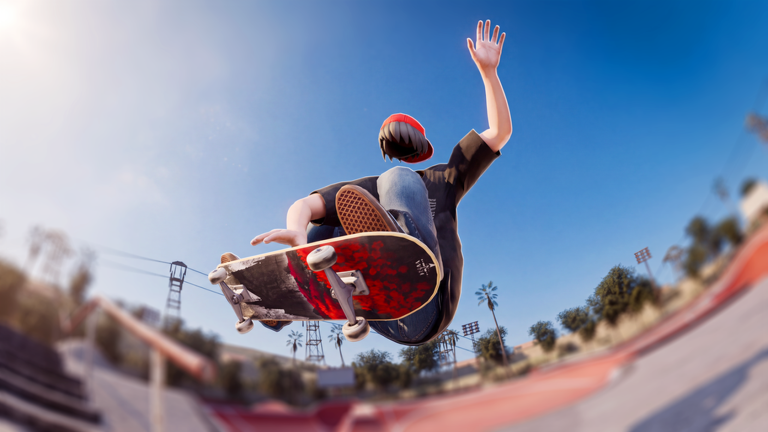
Skate Tree is a Roblox experience built around a simple, honest premise: cruise a campus-style skate park, pull off tricks, and turn the points you earn into new looks for your board. That premise is also the reason some players will bounce off it within a session. If you want a guided campaign, a ranked scene, a story, or a progression tree with clearly telegraphed milestones, this is not that game, and pretending otherwise would be a disservice.
The loop is deliberately open ended. You drop in, you skate, you try harder moves, you bank points, you spend those points in the in-game Shop. There is no evidence of a structured tutorial path or competitive mode layered on top of that. Players who need a reason to log in beyond their own self-set trick goals should consider that carefully before investing time. This is a fair take rather than a knock: a sandbox that asks you to bring your own motivation is a legitimate design, it is simply not for everyone.
The friction points that drive quits
The main friction is pacing. Points accumulate by attempting tricks, and the suggestion is that the more varied and difficult your tricks, the better your earnings. That creates a skill-linked income curve, which sounds good on paper and can feel like a wall in practice. A player who has not yet learned to reliably grind a rail or chain harder moves earns at the slower end of that curve, while cosmetics in the Shop are priced to feel like real goals. Some listings sit at the 10,000 point mark, others at 20,000. For a newcomer still fighting the controls, those numbers can read as a grind wall rather than a carrot.
The second friction is scope. Everything visible in the research points to a single environment, a campus-style skate park, explored at your own pace. Players who need map variety, mode rotation, or seasonal events to stay interested will find the offering thin. The third friction is the customization ceiling itself: points unlock boards, skins, and other cosmetics, so if visual rewards do not motivate you, the entire economic layer of the game stops mattering.
On monetization, the evidence shows a points-based Shop rather than a pressure-heavy storefront in the material reviewed here. That is a point in the game's favor for fair-play purists, though it also means the only meaningful sink for your earnings is cosmetic, which sharpens the pacing complaint above rather than softening it.
Who thrives anyway, and why
Skate Tree fits players who genuinely enjoy the act of practicing. If your fun comes from grinding a rail cleaner each run, teaching yourself a harder move, and watching the point counter reward the attempt, the game's core is exactly aligned with you. It drops in whenever you want, which suits short sessions and low-commitment play.
Customization-minded players also thrive. Earning points to unlock boards and skins gives your setup a visible identity, and a campus park is a good stage for showing that setup off. The social layer helps too: an official Discord server is linked directly on the Roblox page, and that server is described as the place to find the game's information and other players to skate with, or to show off tricks to. For a game this open ended, having a built-in crowd turns solo practice into a community habit, and that is often what separates a session you bounce from a game you keep.
Better-fit alternatives for each frustration
For the player who quits over grind pacing, the genre reference points named in the research are the obvious comparison: the board-themed games that inspired Skate Tree, namely Tony Hawk and Skate. Those titles offer more structured, authored trick environments if you want direction rather than a sandbox.
For the player who quits over limited scope and map variety, the fix is a taste for the social side instead: the Discord community and the Roblox page are where Skate Tree concentrates its information and player base. If community is not a draw for you, the sandbox format is unlikely to win you over.
For the player unmotivated by cosmetics, no amount of better rail grinding changes the fact that the Shop is the sink. In that case the honest advice is to look elsewhere entirely rather than wait for the game to become something it is not trying to be.
The conditions that would change this verdict
Three things would move the needle. First, a clearer sense of structured goals beyond personal trick mastery, so new players have handholds before the point curve starts feeling slow. Second, more environments or ways to vary a session, since a single campus park carries a lot of weight. Third, more depth in what points can buy, so that cosmetic variety matches the effort the trick system asks of you. Any of these would soften the exit interview that follows. None of them are promised in the material reviewed here, so the current verdict stands on what the game shows today.
FAQ
Q: What do you actually do moment to moment in Skate Tree?
You skate a campus-style park, attempt tricks, and earn points for them. Grinding rails and teaching yourself harder moves are the two activities the game is explicitly built around, and points you bank go toward cosmetics in the in-game Shop.
Q: How does the points and Shop system work in Skate Tree?
Points are earned by trying tricks, and they are spent in the Shop on boards, skins, and other cosmetics for your setup. Listings reach the 10,000 and 20,000 point range, so longer-term players are working toward the pricier items rather than instant unlocks.
Q: Where does Skate Tree share information and updates?
An official Discord server is linked from the game's Roblox page, and the research describes it as the place where information about the game lives, along with other players to skate with. The Roblox page itself is the other official channel.
Verdict
Skate Tree is a focused sandbox with a clean identity: tricks in, points out, points spent on the way your board looks. Its strengths are genuine. The core loop is easy to understand, the sessions are flexible, customization gives you something tangible to chase, and a linked Discord gives the open ended design a social home. There is no evidence of heavy monetization pressure in what was reviewed, which is a real mark in its favor.
Its weaknesses are the mirror image of those strengths. The same lack of structure that makes it relaxed makes it easy to quit, the point curve is tied to trick skill so slow starters feel the wall first, and a single campus park limits how long the environment itself stays fresh. Players who quit over grind pacing, thin scope, or cosmetic-only rewards are being rational, not impatient.
The short version: if you like practicing a trick until it clicks and then dressing up the result, Skate Tree will hold you. If you need direction, variety, or a progression system that does not run through the cosmetics Shop, skip it for now and revisit it if the conditions above change. Either answer is a fair one, and knowing which applies to you before you drop in is the whole point of this exit interview.
Skate Tree Codes (November 2026)
No active codes yet for Skate Tree; 10 unverified codes are being tracked.
Not yet fully verified. This list updates as sources are rechecked.
No verified active codes are currently recorded for this game. 10 community reported codes are awaiting verification in the Unverified Reports list below, with the source and date we recorded where available.