What health means for a game that lives on updates
Most Roblox mining games ask the same question of you: is there a reason to come back tomorrow? For 1 TNT Mining, health is not measured by a single patch note. It is measured by whether the loop of training, blasting, selling, and upgrading still has room to grow, and whether the developer keeps feeding it new reasons to run. This review looks at the experience as it stands in September 2026, using the mechanics documented in published guides, the community wiki, and a public walkthrough, and grades the parts of live-service health that the evidence can actually support.
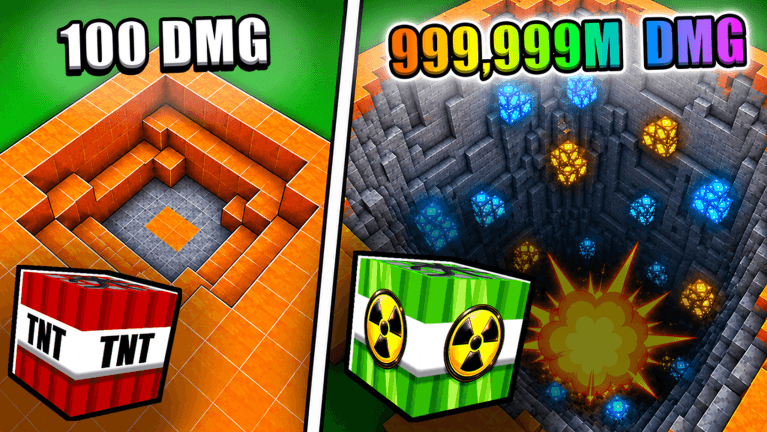
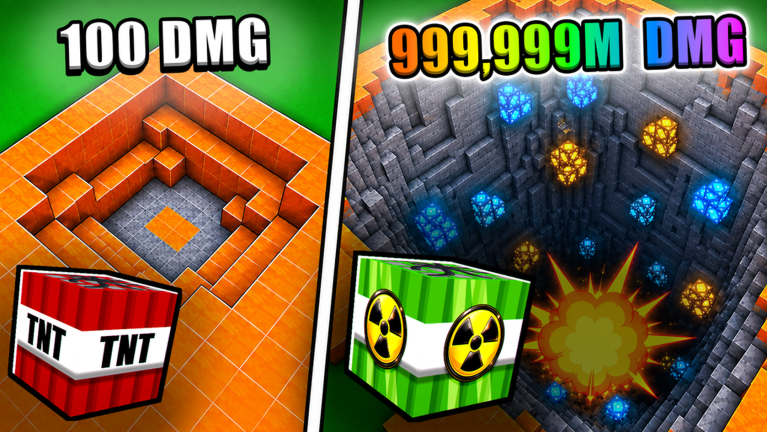
The core loop is easy to read and hard to put down. You equip a TNT block, press the left mouse button to build the Damage stat, place charges on the mine face, sweep up the broken blocks, and return to the lobby Sell station to turn the load into Cash. That Cash then goes straight back into better TNT blocks and stat upgrades. Damage built through training carries over even when you swap to a different TNT block, which means the time you spend clicking is never thrown away by an equipment change. That single design decision is the healthiest thing in the game: it protects player effort across the whole progression.
Update cadence and patch quality across the tracked window
Live-service grading usually starts with dates, and here the record is thin. The most recent beginner's guide in the tracked sources was published on September 13, 2026, and its author noted that the developer had been generous to the community that month, but the piece does not name a specific patch or feature drop. No patch dates, version numbers, or changelogs appear anywhere in the tracked evidence for this window, so there is no honest way to grade release frequency week by week. What can be graded is the shape of the systems now in place: pets, Egg Shards, Rebirths, Secret blocks, and optional gamepasses all sit on top of the base mining loop, which tells you the progression surface has been widened well beyond the first mine. A game that only shipped TNT tiers would feel thin by now. A game that adds pets, shard collection, rebirth resets, and hidden Secret blocks is giving returning players multiple parallel tracks to chase, and that is the substance cadence is supposed to deliver, whatever the calendar looks like.
Event rotation quality and re-run handling
The tracked sources do not document any named seasonal event, limited-time mode, or re-run schedule for 1 TNT Mining, so this section cannot be scored on rotation variety. What the evidence does show is that the recurring content is structural rather than calendar-driven. Each deeper mine acts as its own soft event: it gates you, it tests your current Damage and TNT strength, and it either confirms your build or sends you back to train. The wiki's own advice is to spend around the bottleneck in front of you, then test the next mine before committing the rest of your Cash, which describes a loop that renews itself every time you unlock a layer. For a player who wants rotating festivals and login calendars, that may read as a gap. For a player who wants a system that keeps offering the next gate, it is a workable substitute.
Bug response and communication track record
The only concrete friction item in the tracked evidence is occasional server lag on public lobbies, flagged in the beginner's guide. The sources do not include a developer changelog, a bug tracker, or a public statement responding to that lag, so no response time or communication quality can be attributed to the studio here. What is visible is that the community has responded in the usual way, with a wiki that documents upgrade ordering, capacity management, and mine testing, plus public video walkthroughs for new players. Self-organized documentation is a decent proxy for a game that is stable enough to study, but it is not the same thing as a documented support record.
Player count trend as a viability signal
No player counts, concurrency figures, or visit totals appear in the tracked sources, so this review will not manufacture a trend line. One independent signal does exist: a full beginner walkthrough video published within the last week of the tracked window, alongside an actively maintained wiki with separate guides for upgrades, pets, and secrets. Content creators and wiki editors generally follow demand. That is a soft signal, not a metric, and it should be read as such.
Progression feel: where the grind lands
The progression curve in 1 TNT Mining is built on four dials that have to move together: Damage, TNT strength, capacity, and area unlocks. The wiki is explicit that you should balance them instead of saving for one oversized purchase, and that each new mine should be used as a test rather than an assumption. If blocks come too slowly, you strengthen the loop before buying the next gate. This produces a steady early game where upgrades feel meaningful and a mid game where capacity becomes a real constraint, because a full load has to be swept up and sold before the next charge pays off. Blast placement matters too: aiming at intact blocks on your chosen route beats spending charges in already cleared space. That is a skill element inside a clicker, and it keeps the loop from becoming pure tedium.
Monetization pressure and fairness
Optional gamepasses exist as part of the progression surface, and the tracked evidence lists them alongside pets, Egg Shards, Rebirths, and Secret blocks rather than presenting them as a paywall. No prices are stated in the sources, so no value judgment on pricing can be made. What matters for fairness is that the documented path to power runs through training and selling, not through a checkout screen. Nothing in the guides suggests that Cash earnings are throttled to push purchases. The honest read is a low-pressure monetization profile with optional convenience layered on a loop that works without it. On codes, there are currently none to redeem for 1 TNT Mining, and the live list on RoHorizon updates the moment the developer releases new ones.
Strengths and weaknesses at a glance
- Strength: Training Damage persists across TNT block swaps, so no effort is wasted.
- Strength: Four interacting upgrade dials and a mine-gating structure give the loop real shape.
- Strength: Pets, Egg Shards, Rebirths, and Secret blocks extend play well past the first hours.
- Weakness: Public lobbies occasionally suffer server lag, and no documented studio response exists in the tracked record.
- Weakness: No named seasonal events or re-run schedule appears in the tracked sources.
- Weakness: No patch dates or player metrics are available, so cadence and popularity cannot be graded directly.
FAQ
Q: Does the Damage I train through clicking carry over when I buy a new TNT block?
Yes. The Damage stat you build through training persists even when you change your current TNT block, so swapping to stronger TNT never resets the work you put into clicking.
Q: How does selling work in 1 TNT Mining?
After a mining run, you return to the lobby and use the Sell station to convert collected blocks into Cash. Capacity limits how much you can carry, so a common pattern is to fill the load, sell it, and then fund the next upgrade.
Q: What systems sit beyond the basic mine and upgrade loop?
The deeper progression layers are pets, Egg Shards, Rebirths, Secret blocks, and optional gamepasses. Stronger TNT and trained Damage are what let you break tougher layers, reach rarer blocks, and unlock more areas in the first place.
Verdict for new and returning players
For new players, 1 TNT Mining is a clean recommendation if you want a mining game with a legible loop and upgrades that visibly change what your explosions do. Start by training enough Damage that a blast breaks useful blocks at a reasonable pace, place charges on intact blocks along your route, sell full loads, and spend around your current bottleneck rather than hoarding for one giant purchase. The first hours are generous because the Damage stat keeps everything you earn.
For returning players, the verdict is conditional. The structural additions, pets, Egg Shards, Rebirths, and Secret blocks, are what make a return worthwhile, and the mine-gating design gives you a natural re-entry point at whatever layer you left. What the tracked record does not show is a documented event calendar or a dated patch stream, so players who come back specifically for seasonal content should temper expectations. The studio's ability to sustain the game over a long window remains the open question, and it is the one thing this evidence cannot answer.
Bottom line: a low-pressure, system-driven grinder with a durable Damage progression and a thin public record of updates and events. Play it if you like watching four upgrade dials line up. Wait if you need a live service that proves its cadence with dated releases.
1 TNT Mining Codes (September 2026)
No active codes yet for 1 TNT Mining; 4 unverified codes are being tracked.
Not yet fully verified. This list updates as sources are rechecked.
No verified active codes are currently recorded for this game. 4 community reported codes are awaiting verification in the Unverified Reports list below, with the source and date we recorded where available.