Introduction: Surviving Your First Flight in Bumpy Flight
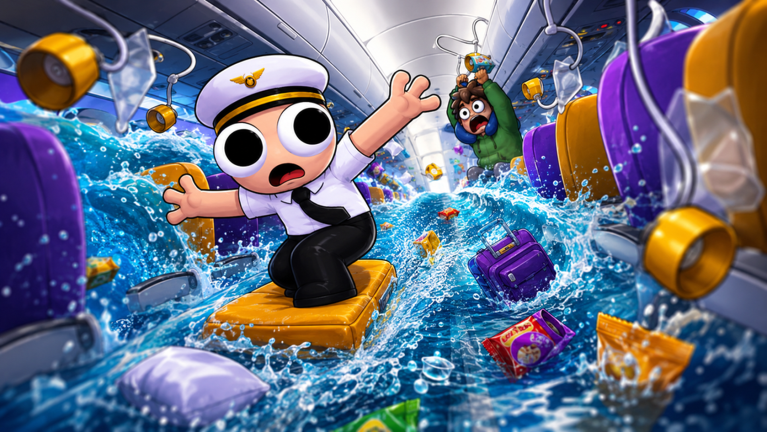
Bumpy Flight on Roblox throws you into the chaotic world of managing a flight crew, handling passenger needs, and responding to unexpected emergencies. If you are a brand-new player, your primary goal in the first hour is to prepare for and survive your initial flight without derailing. This guide walks you through exactly what to do in order, from spawning in to dealing with your first engine failure. While Bumpy Flight is trending with about 6,762 players, note that there are currently no active codes to redeem for extra rewards. The game is in its beta phase, and codes, when released, will be tracked here automatically.
Why Codes Matter for Your Progress
Although no rewards can be claimed yet, understanding the code system is useful for future updates. Typically, developers release codes on their social media or during milestones, and redemption happens through an in-game menu. Once codes appear, you can enter them in the designated section, but they often expire quickly. For now, focus on mastering core mechanics rather than waiting for codes.
Spawn and Immediate Priorities
When you first spawn into Bumpy Flight, your immediate task is to set up a flight. Start by selecting your crew size. You can play solo or with friends, but for your first hour, going solo or with a small crew helps you learn the basics. Use the left-click to interact and left control to adjust crew settings as mentioned in the gameplay.
Next, you need to load passengers and bags before takeoff. Look for passengers with names and request indicators near them. Load them sequentially by interacting with them, and do not forget to handle the bags in the loading area. This is your first resource loop: managing the boarding process efficiently to start the flight on time. Skipping this can delay takeoff and cause initial stress.
First Currency or Resource Loop
In Bumpy Flight, resources revolve around tools, supplies, and passenger satisfaction. After takeoff, you will encounter requests for items like blankets or medicine. Check the cabin regularly to address these. Your crew should have a loop of monitoring the cabin, retrieving items from storage, and delivering them. This not only keeps passengers happy but also prevents minor issues from escalating. Tools such as wrenches are crucial for repairs, so ensure they are accessible. Focus on establishing this loop early to avoid chaos when emergencies hit.
Early Upgrades Worth Skipping
As a beginner, avoid overcomplicating your setup. Do not rush to upgrade tools or crew abilities before understanding the basics. For example, spending resources on advanced repairs without mastering simple tasks like passenger seating can backfire. Instead, stick to basic equipment and learn the game flow. Early upgrades often require resources that are better saved for critical emergencies later.
First Real Decision Point: Assigning Crew Roles
Your first major decision is how to divide responsibilities among your crew. As per the beginner tips, one player should focus on flying, another on flight controls, someone on passengers, and another on repairs and supplies. If playing solo, you will need to juggle these roles yourself. Prioritize flying and passenger management first, then handle repairs as needed. This decision sets the tone for your entire run, so communicate clearly with your team.
Mistakes That Cost the Run
Common errors include ignoring warning signs and panic-running during emergencies. When something like an engine failure occurs, do not start randomly fixing things. First, identify the exact issue from the warning message. For instance, an engine failure might require a specific tool like a wrench to repair. Another mistake is neglecting passenger requests, which can lead to negative outcomes. Always keep an eye on the cabin and address issues promptly to maintain order.
Game-Specific Strategies for Emergencies
Bumpy Flight tests you with emergencies such as turbulence, engine failures, and injured passengers. Develop a strategy where one crew member handles the immediate threat while others support. Use the tool system effectively; for example, if an engine fails, get the required tool and work on it methodically. Practice makes perfect, so use your first hour to experiment with different emergency scenarios and learn the response patterns.
FAQ: Common Questions from New Players
Q: How do I handle engine failures during a flight?
When an engine fails, check the warning message first to identify the problem. It usually requires a specific tool, such as a wrench, to repair. Assign one crew member to retrieve the tool and fix the engine while others manage passengers or other tasks.
Q: What should my crew prioritize during a normal flight?
Priorities include flying the plane, monitoring passenger requests for items like blankets or medicine, and checking the cabin regularly. Divide roles clearly: one on flying, one on passengers, and one on supplies or repairs to maintain efficiency.
Q: How do passenger requests affect the game?
Passenger requests for items or assistance are critical to manage. Ignoring them can lead to negative consequences, such as unhappy passengers or escalated emergencies. Regularly patrol the cabin and fulfill requests promptly to keep the flight smooth.
Conclusion: Start Your Bumpy Flight Journey
In your first hour, focus on mastering crew roles, handling emergencies step by step, and establishing a resource loop for supplies. Avoid common mistakes like panicking or skipping basic tasks. As you progress, keep an eye on this page for any new code releases that might offer helpful rewards. For now, dive into Bumpy Flight and apply these strategies to survive your first flight with confidence.
Ready to take off? Start playing Bumpy Flight on Roblox today, and use this guide to navigate the early challenges. Check back here for updated tips and code information as the game evolves.
Bumpy Flight Codes (October 2026)
No active codes are available right now for Bumpy Flight.
Not yet fully verified. This list updates as sources are rechecked.
No verified active codes are currently recorded for this game.