Read the round structure before you optimize it
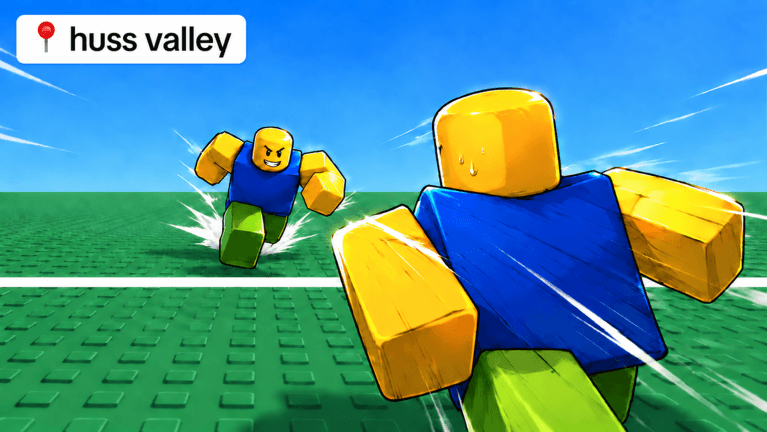
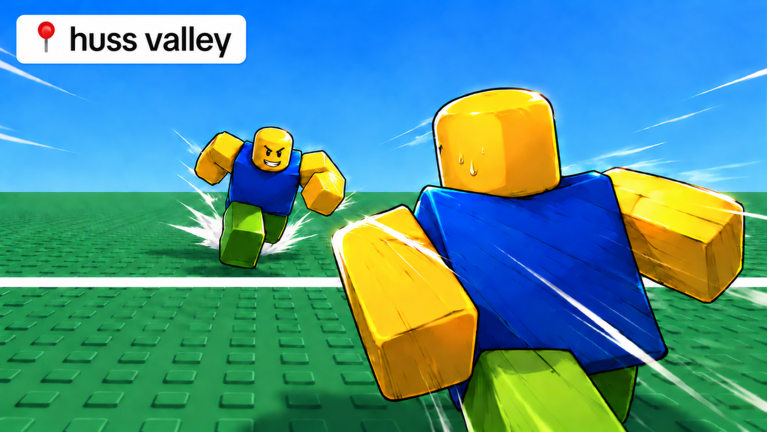
Most wasted time in Huss Valley comes from treating every round the same way. The experience is a spin on classic Tag, played inside a simple rectangular arena with a start line and a finish line at opposite extremes. At the start of a match, the game randomly chooses one player to be the Chaser, and everyone else plays as a Runner. That single random assignment decides what your next several minutes are worth, so the efficient player reads the lobby composition first and only then decides how hard to push.
Runners win by getting to the finish line three times without anyone on their side being caught. The Chaser wins by catching every Runner over the course of a match. Those two win conditions run in opposite directions, and your route choice has to respect both.
The XP and currency flow, without invented numbers
Efficiency writing usually opens with rates per minute. For Huss Valley, no XP figures, currency values, or payout tables are stated in the sources available here, so there is nothing honest to divide. What is stated is the structure that produces progress: rounds resolve at the end of the match, and the winner is decided by which group manages to complete its respective win condition. So your real per-minute metric is completions, not cosmetics. Count how many rounds finish with your side satisfying its condition, and treat a round where the plan collapsed early as the only true loss.
Route order: cross early, protect the collective run
The first crossing is cheap. Early in a round the Chaser's attention is divided between several other players, which means the runway to the opposite line is at its least contested. Take that crossing immediately rather than loitering near the start line waiting for a perfect moment that will not come.
Order matters more than speed after that. Because the Runners need three complete trips with nobody caught, a Runner who dashes for a solo highlight and gets caught late actively deletes progress for the entire group. Stack your efforts in this order: cross when the Chaser is visibly committed to another player, hold position at a line while the Chaser repositions, then commit to the return trip. Coordination is the multiplier, and the source material is blunt that this requires coordination amongst players, which can be difficult in a high-speed exchange.
Use the dash the way the controls actually define it
Movement is W, S, A, D. Interact is bound to E. The dash is the Spacebar, and it activates when you are holding the left or right directional input. That detail is where most of the free speed lives. A dash fired while holding no lateral input does nothing for you, so build the habit of committing to a side direction at the moment you press Space. On a rectangular field with lines at both extremes, that means your dash window is your lateral shuffle at the line, not a straight-line panic burst in the open middle of the arena where the Chaser is already watching.
Treat the middle of the rectangle as the expensive zone. It is the widest exposure with the fewest decision points. Spend your dash to leave the Chaser's sightline or to seal a crossing, then reset at a line.
Caps and diminishing returns: when to stop
There is no stated daily cap or reward multiplier in Huss Valley from the available sources, so the stopping rule has to come from variance instead. The Chaser is assigned randomly, which means two consecutive rounds can hand you completely different leverage. After a round where your side was caught and the match resolved against you, the marginal value of instantly requeueing is low: you are re-entering the same structure with a new random role assignment, not carrying a bonus forward.
The practical cap is attention, not a hidden meter. If you are skipping the lateral dash input, crossing late instead of early, or taking the open middle instead of working the lines, the next round is worth less than a short break. Stop while your timing is still honest.
What to do with the time you saved
The sources describe no event shop, no currency, and no purchasable queue skips for Huss Valley, so there is nothing to recommend buying with reclaimed minutes. Bank the savings where the structure pays out: more rounds, and specifically more rounds played as a Runner who reaches the finish line cleanly three times. Role variety is the other spend. A round spent as the Chaser teaches you the catch windows you will be dodging on the next Runner round, and that knowledge compounds faster than repetition of one role.
FAQ
Q: How many times do Runners need to reach the finish line in Huss Valley?
Runners must get to the finish line three times without anyone being caught. If a Runner is caught before that is complete, the Chaser moves toward winning the match instead.
Q: How is the Chaser decided at the start of a Huss Valley match?
The game randomly selects one player to be the Chaser, and everyone else plays as a Runner. You cannot choose your role in advance, which is why the efficient plan works for both sides.
Q: What do the dash and interact controls do in Huss Valley?
W, S, A, D handle movement, E is the interact key, and the dash is the Spacebar, which activates when you hold the left or right directional input. Holding a side direction at the moment you dash is what converts the input into a real burst.
Conclusion
Huss Valley rewards players who read the rectangle instead of sprinting through it. Cross while the Chaser's attention is split, dash with a lateral input held, keep your group intact for all three crossings, and stop queueing the moment your timing slips. The structure is random at the start of every match, but your route order does not have to be.
If you want to see how your crossing count stacks up across a session, keep a simple tally for one evening: rounds entered, rounds where your side completed its win condition. That single habit will show you faster than any cosmetic upgrade whether your Huss Valley time is being spent or wasted.
Huss Valley Codes (November 2026)
No active codes yet for Huss Valley; 22 unverified codes are being tracked.
Not yet fully verified. This list updates as sources are rechecked.
No verified active codes are currently recorded for this game. 22 community reported codes are awaiting verification in the Unverified Reports list below, with the source and date we recorded where available.